

Last updated: November 4, 2026
A chemical peel applies a solution that exfoliates skin to improve its texture and appearance. The right depth depends on your concern, your skin characteristics, and the recovery you can accept. At La Belle Vie MedSpa, we offer chemical peels in Seattle tailored to your skin and goals.
What does chemical peel depth mean for your skin?
Peel depth describes how far a solution acts within the skin; a formula name alone does not establish that depth. Choose the least aggressive peel likely to address your concern within the recovery you can accept. A clinical review of chemical peels and skin resurfacing links greater depth with longer healing and greater potential for complications.
How do superficial, medium, and deep peels differ?
Superficial peels act in the epidermis, medium peels reach the papillary dermis, and deep peels reach the reticular dermis. Greater depth does not automatically make a peel the right choice. The American Society for Dermatologic Surgery’s guidance on chemical peels for skin of color gives general examples of agents used at each depth. These are not a list of treatments we offer; the agent, its concentration, and the full formulation affect peel selection.
| Peel category | Depth of action | General agent examples | What greater depth means |
|---|---|---|---|
| Superficial | Epidermis | Salicylic, glycolic, or mandelic acid | Targets surface concerns with generally less healing than deeper peels. |
| Medium | Papillary dermis | Trichloroacetic acid (TCA) | May address concerns below the surface, with more healing and risk. |
| Deep | Reticular dermis | Phenol-containing peels | Can produce greater change but requires the most caution about recovery and complications. |
Which concerns may a superficial chemical peel address?
A superficial chemical peel may suit acne, melasma, uneven tone, and early signs of sun damage because its action is limited to the epidermis. Suitability depends on the specific concern: surface improvement is possible, but a peel cannot be assumed to clear persistent pigment or deeper scars.
Can a superficial peel help with acne or melasma?
Superficial peels may help improve certain types of acne. For melasma treatment, the goal is a possible improvement in visible discoloration, not a promise that dark patches will disappear or stay away. Skin sensitivity and the risk of pigment changes matter when selecting a peel, particularly for someone who has developed discoloration after previous skin treatments.
Can a superficial peel improve uneven tone or early sun damage?
Superficial peels may improve uneven tone and early photodamage by exfoliating the epidermis. A changing or possibly precancerous spot needs medical evaluation rather than a cosmetic peel.
When might a deeper peel be considered?
A deeper peel may be considered when a surface-level treatment is unlikely to address your concern and you can accept more recovery and risk. The decision requires an individual assessment of your skin and goals.
Can a medium peel help superficial scars or more extensive sun damage?
The clinical review lists superficial scars, pigmentary disorders, uneven coloration, and multiple sun-related scaly lesions among medium-peel indications. A medium peel reaches the papillary dermis, so its potential benefit must be weighed against longer healing and greater complication risk than a superficial peel.
Are deep peels still used for severe wrinkles or scars?
Deep peels remain a published option for severe photoaging, deep wrinkles, and scars, but they reach the reticular dermis and carry the greatest recovery and complication considerations in the depth comparison. A chemical peel also has limits: Mayo Clinic guidance on chemical peels notes that peels cannot remove deep scars or wrinkles or tighten sagging skin.
How does La Belle Vie choose among its VI Peel options?
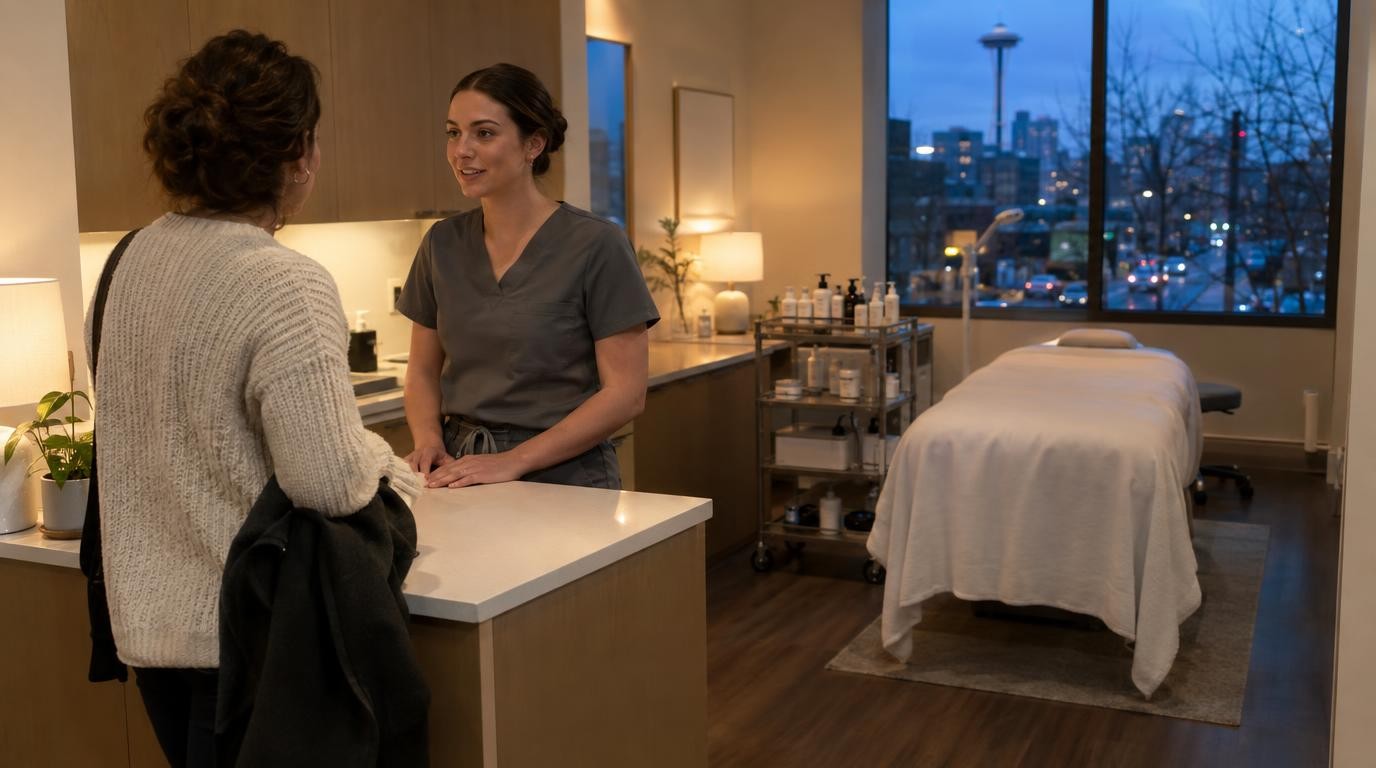
At La Belle Vie MedSpa, we match a VI Peel option to the concern, skin characteristics, and treatment plan developed during a private consultation. Our VI Peel formulations address different concerns, but their names do not establish a superficial, medium, or deep classification. We assess suitability and the proposed treatment depth rather than asking patients to select a formula remotely.
What matters if your skin is sensitive or this is your first peel?
We review current irritation, treatment history, and aftercare needs before recommending a peel. A formulation’s listed audience does not guarantee how your skin will respond.
Which VI Peel options target wrinkles, pigment, or acne?
Our listed options connect each formulation with a treatment concern:
| La Belle Vie MedSpa option | Listed concern |
|---|---|
| VI Peel Original | Sensitive skin or first-time peel patients |
| VI Peel Advanced | Fine lines and wrinkles |
| VI Peel Precision Plus with Peptides | Hyperpigmentation or melasma |
| VI Peel Precision Plus with Purify | Acne or acne scarring |
A formula’s intended concern does not predict complete clearance. For more about the treatment experience, see our guide to VI chemical peel results and recovery.
What happens during a chemical peel appointment?
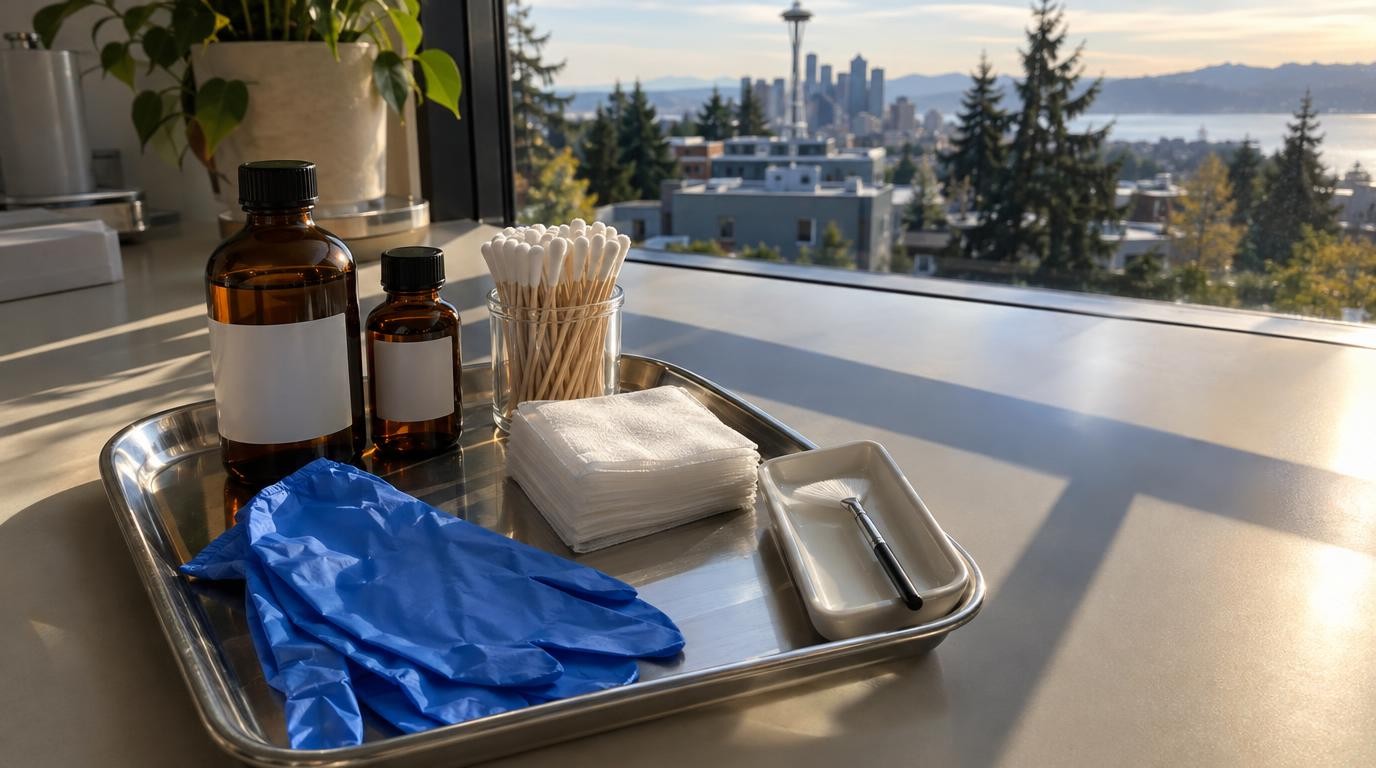
At your appointment, we discuss your goals and skin history, cleanse your skin, apply the selected peel, and review aftercare. Our sessions are designed to be quick and comfortable, although the steps and sensations vary with the peel and your skin’s response.
How is a peel selected and applied?
- Discuss the goal: Our aesthetic professional listens to concerns such as breakouts, dark spots, dull skin, or fine lines and considers which treatment is suitable.
- Prepare and apply: The skin is cleansed before a professional applies the selected peel solution. Cleveland Clinic’s chemical peel guidance explains that different solutions penetrate to different depths.
- Review aftercare: Instructions for the chosen treatment help you plan for irritation, peeling, and sun protection.
The exact application method depends on the peel.
How long does recovery take after a chemical peel?
The American Society of Plastic Surgeons’ guide to chemical peels says makeup can usually be worn the next day after a light peel and after about a week following a medium peel. Those are makeup milestones, not complete-healing timelines: it may take a few months for skin to return fully to normal and show the complete results. Deeper peels generally take longer to heal. Our peels are intended to require relatively little recovery, but visible peeling can still occur; your timeline and aftercare depend on the chosen treatment and your skin’s response.
What affects peeling and downtime?
The amount of visible peeling is not, by itself, a measure of whether a treatment worked. Depth and individual response affect healing, while the specific formula determines which aftercare instructions apply.
How should you plan for sun exposure afterward?
Newly treated skin is temporarily more sensitive to the sun, according to American Society for Dermatologic Surgery guidance. Minimize sun exposure and follow the sun-protection instructions for your peel while your skin heals.
What results can you reasonably expect from a chemical peel?
A chemical peel can improve the appearance of dull, dry, rough, or uneven skin by exfoliating its surface. Depending on peel selection and individual response, patients may also see softer-looking fine lines or less noticeable acne scarring.
Can chemical peels improve fine lines or acne scarring?
A light peel generally produces subtler changes than a deeper treatment, and repeated treatments may be needed to reach your goal. Scars or lines that extend deeper may need a different approach. We can discuss how much improvement is realistic for your skin rather than assuming a peel will erase a scar or wrinkle.
What are the risks, and who should postpone a chemical peel?
Redness, irritation, and peeling can occur after a chemical peel; possible complications include unwanted pigment changes, infection, and scarring. The American Society for Dermatologic Surgery describes complications from superficial peels as very unlikely in skin of color, but no peel is risk-free. Greater depth brings greater potential for complications, and your individual risk depends on your skin and the selected treatment.
What side effects should you discuss before treatment?
Discuss previous reactions to skin treatments, your tendency toward dark or light marks after irritation, and the expected redness and peeling for the proposed formula with your own licensed clinician.
When should you seek a clinician’s assessment first?
Have an active infection, broken skin, or significant irritation assessed before treatment; you may need to postpone the peel. After a peel, seek prompt medical care for fever, pus, spreading redness, severe or increasing pain, or rapidly worsening swelling rather than assuming those changes are routine peeling.
When is a chemical peel a better fit than laser resurfacing?
If you want to improve a suitable surface concern, such as dull texture or mild uneven tone, without laser treatment, ask us whether a superficial peel fits your goals. If your concern would require deep resurfacing, it is worth discussing alternatives, including laser: a 2018 clinical review of chemical peels reported that lasers had largely supplanted deep peels. Neither approach is universally better; we consider your skin, likely benefit, pigment risks, and recovery when planning treatment.
Why are superficial peels commonly chosen instead of deeper resurfacing?
Superficial peels address concerns in the epidermis without automatically taking on the recovery associated with a deep peel. If you are weighing another approach, see our guide to laser skin resurfacing options.
Frequently Asked Questions
Can people with darker skin tones get chemical peels?
Yes, when a clinician experienced with skin of color selects a suitable treatment. For medium-depth TCA peels, the American Society for Dermatologic Surgery advises using a lower concentration in patients with skin of color; it advises against deep peels for these patients. Tell your clinician if previous treatments have left dark or light marks.
Can a chemical peel be used on the neck or hands?
Yes, chemical peels can be applied to the face, neck, or hands, depending on the concern and the skin in each area.
Will I need more than one chemical peel?
You may need more than one session, especially with a light or medium chemical peel. Mayo Clinic notes that repeating these peels may be necessary to achieve the desired results, while improvements from light peels are subtle and can increase with repeated treatments.
Can a chemical peel be combined with another treatment?
Sometimes. Peels can be combined with other in-office facial resurfacing treatments when appropriate, but whether to combine them and how to time them depends on your skin and the proposed procedures. We can discuss a plan at your consultation.
What does a chemical peel feel like during treatment?
A chemical peel may cause tingling, itching, or burning while the solution is applied. An American Society for Dermatologic Surgery article on peels for wrinkles notes that burning may last five to 10 minutes and that deeper peels may require pain medication. Cold compresses may help lessen the discomfort.
Are chemical peel results permanent?
No, chemical peel results are not necessarily permanent. Mayo Clinic notes that aging and new sun damage can cause lines and changes in skin color to return. Routine cleansing, moisturizing, and minimizing sun exposure may help prolong results.
Can a chemical peel help with oily skin and enlarged pores?
Yes, chemical peels may reduce excess surface oil and the appearance of enlarged pores, although results depend on the peel and individual skin response.
How can Bellevue patients decide which peel to ask about?
Bellevue patients comparing peels can weigh their main skin concern alongside expected recovery, sun protection, pigment risks, and realistic results.
If you are traveling from Bellevue to Seattle, bring questions about previous skin reactions, current irritation, and the result you hope to see. Contact La Belle Vie MedSpa to schedule a private consultation with our aesthetic team and build a treatment plan around your skin and recovery preferences.
This information is general and is not medical advice. Talk to a licensed clinician about your own situation before making a treatment decision.
